Returning to Lukova
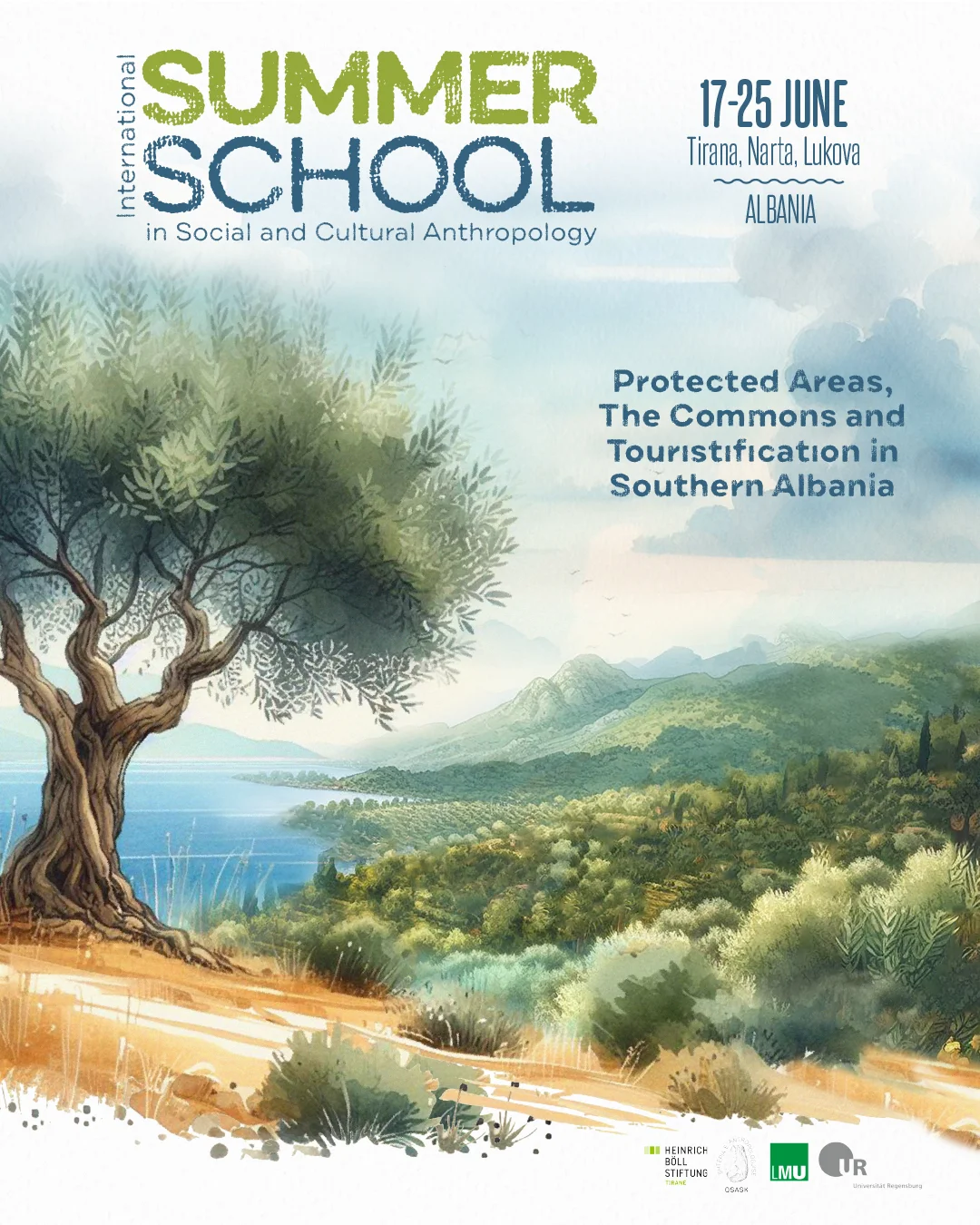
The Third International Autumn School in Social and Cultural Anthropology is now accepting applications
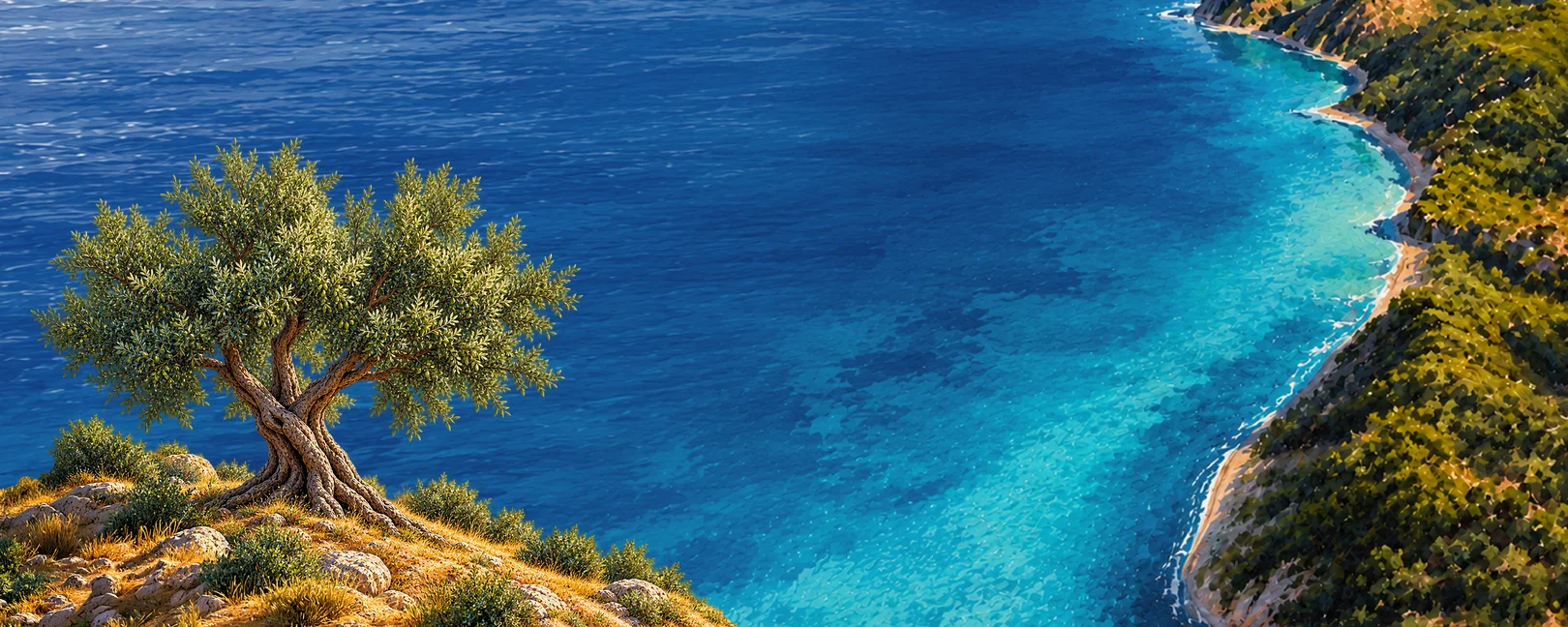
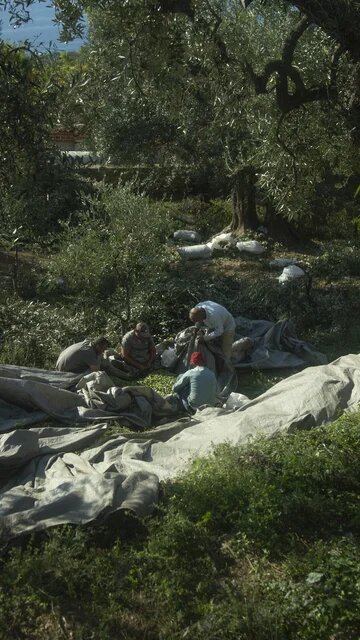
Situated along the Ionian Sea, as part of the Albanian Riviera, Lukova is a village marked by its centuries-old olive groves, terraced hillsides, and layered histories of movement and change. During communism, it experienced internal migration as part of national efforts to expand olive cultivation and strengthen rural production. In the decades following the regime’s collapse, it was again reshaped, this time by mass emigration.
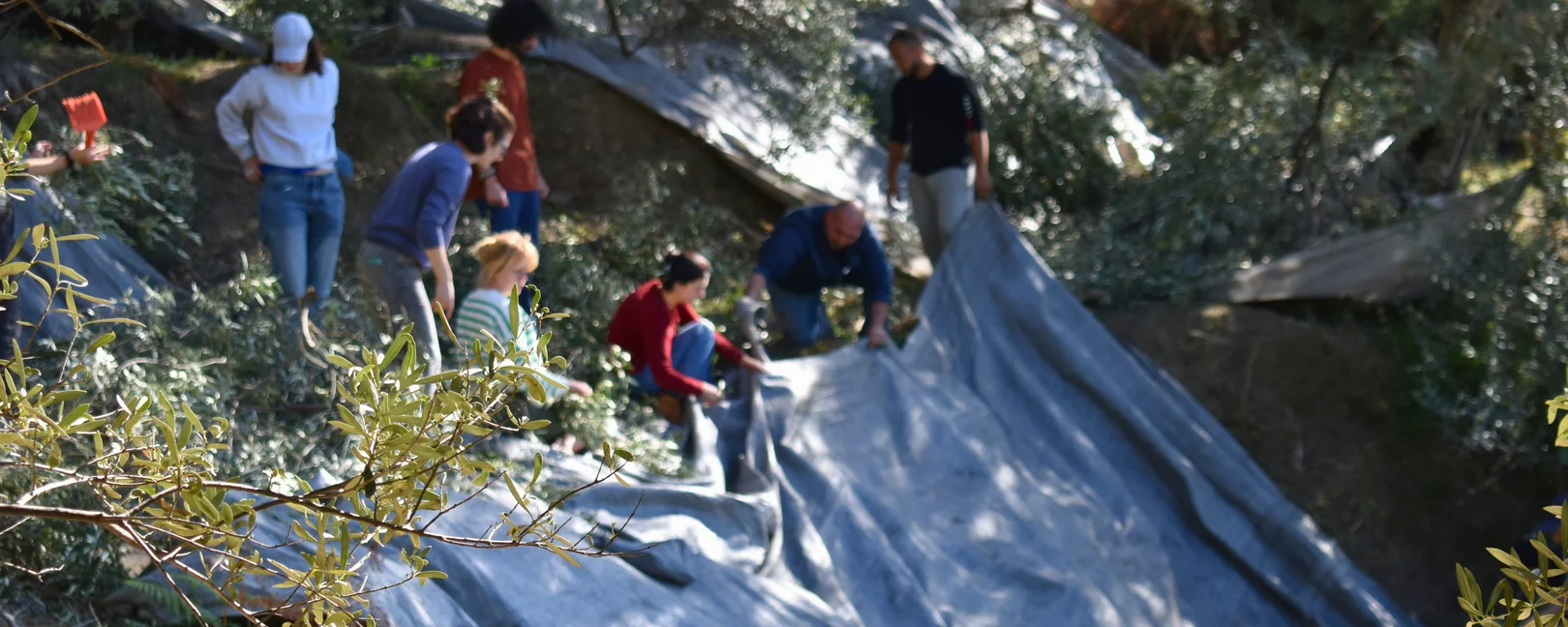
Today, as Albania rapidly becomes a prime tourist destination, the entire Riviera, including Lukova, faces profound natural, political, and socio-economic transformations. Here, questions of identity, belonging, and future directions intertwine, forming a complex cosystem of relationships between people, nature, and place.
A seasonal school in Lukova
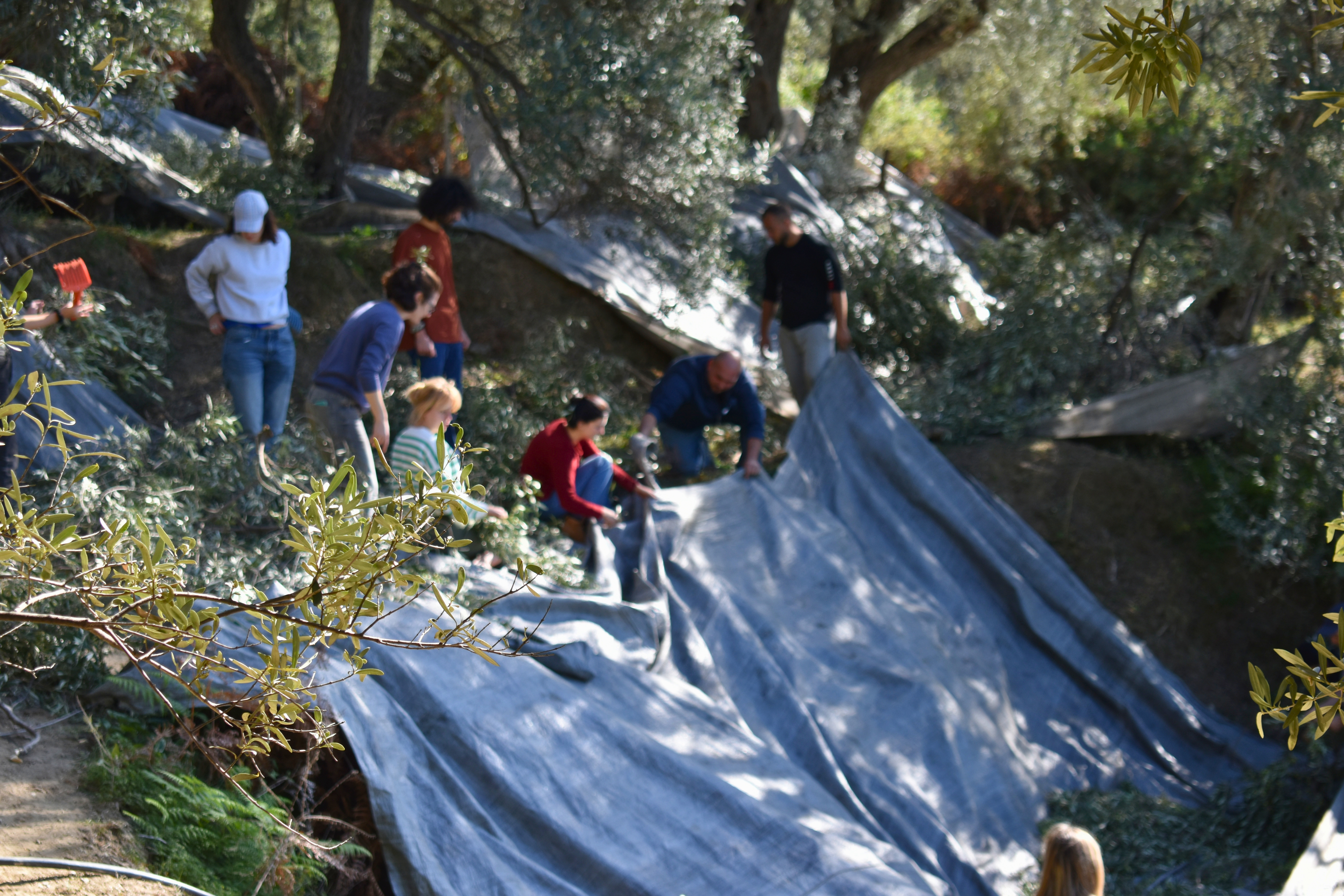
Aiming to study and document the ongoing changes in Lukovë, the Tirana office, in collaboration with the House of Anthropology - Centre for Research in Social and Cultural Anthropology (QSASK), organizes an annual seasonal school dedicated to the anthropological study of the region’s social, economic, ecological, and cultural dynamics.