
Laguna e Nartës
Laguna, një grykëderdhje jetike e Lumit Vjosa, të fundit lumë me rrjedhë të lirë në Evropë, shërben si një habitat i rëndësishëm brenda këtij ekosistemi unik.
Si pjesë e korridorit të shtegtimit të Adriatikut, kjo lagunë përbën një habitat kyç për shpendët shtegtarë dhe një zonë me vlerë të lartë ekologjike, si në nivel kombëtar ashtu edhe ndërkombëtar. Ndërkohë që Lumi Vjosa pritet të shpallet park kombëtar, planet për ndërtimin e një aeroporti brenda lagunës përbëjnë një kërcënim serioz për këtë ekosistem të brishtë dhe biodiversitetin e tij.

Intervistë me Zydjon Vorpsi, PPNEA

Interview with Xhemal Xherri, PPNEA

Interview with Prof. Dr. Nebi Bardhoshi
Dëlirësia e Vjosë-Nartës
Falë ekspozitës, llojet e rrezikuara të shpendëve që banojnë në Lagunën e Nartës u sollën në hapësira kryesore të qytetit.
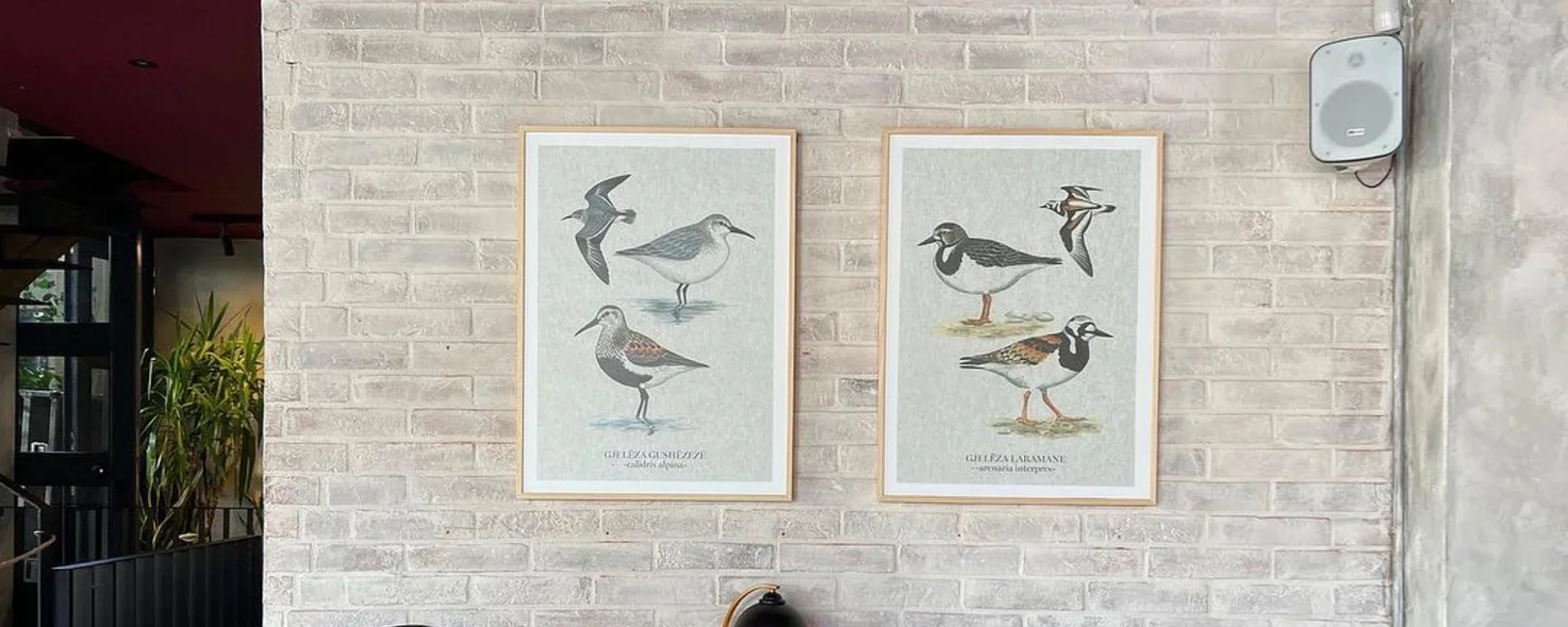


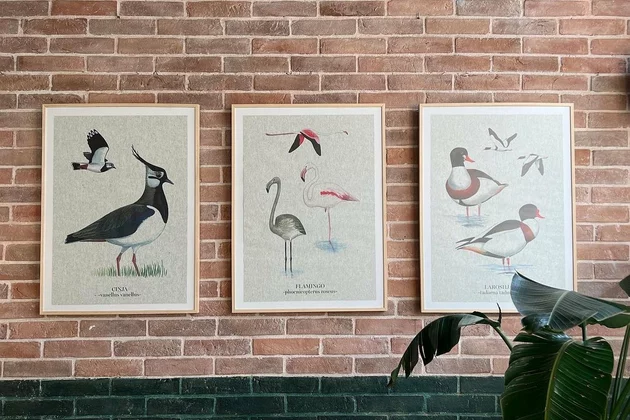
Cinja (Vanellus vanellus)
Gjatësia e trupit: 8-31 cm.
Gjatësia e hapjes së krahëve: 70-76 cm.
Cinja ka përmasat e një pëllumbi. Shpina e saj ka ngjyrë të gjelbër në të zezë me shkëlqim, ndërsa barku ka ngjyrë të bardhë. Në kokë, ka një kreshtë karakteristike. Në fluturim, pjesa e bardhë e nënkrahut dhe e trupit bëjnë kontrast me pendët e zeza.
Habitatet e përshtatshme janë kënetat, kullotat dhe tokat bujqësore, shpesh pranë zonave përkohësisht të përmbytura. Ajo ushqehet me insekte, merimanga dhe krimba toke.
Ekzistenca e saj kërcënohet nga bujqësia intensive, përfshirë kultivimin e kullotave, si dhe nga shqetësimet gjatë sezonit të shumimit.


Kalorësi (Himantopus himantopus)
Gjatësia e trupit: 33-35 cm.
Gjatësia e hapjes së krahëve: 70 cm.
Kalorësi ka këmbë të gjata dhe të kuqe. Ka krahë të zinj, si në pjesën e sipërme ashtu edhe të poshtme. Fyti, kraharori, barku, bishti, kërbishtja dhe një pjesë e shpinës janë me ngjyrë të bardhë. Mashkulli ka njolla të bardha në kokë dhe në zverk, ndërsa femra i ka pothuajse tërësisht të bardha kurorën dhe zverkun.
Habitatet e përshtatshme për këtë shpend janë kryesisht liqenet e cekëta e të kripura dhe kriporet, por mund të gjendet edhe në ligatinat e ujërave të ëmbla. Ushqehet me insekte dhe jovertebrorë të tjerë ujorë.
Ekzistenca e tij kërcënohet nga tharja dhe degradimi i ligatinave, mbushja e kriporeve, ndërtimet, si dhe shkatërrimi i foleve dhe vezëve nga kafshët e egra.


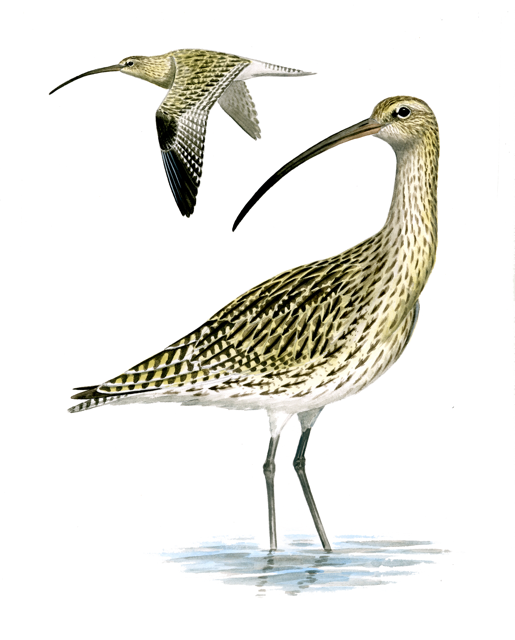
Kojliku i madh (Numenius arquata)
Gjatësia e trupit: 48-57 cm.
Gjatësia e hapjes së krahëve: 89-106 cm.
Kojliku i madh dallohet lehtë nga sqepi shumë i gjatë e i lakuar poshtë. Ai fluturon me rrahje të ngadalta të krahëve.
Habitatet e përshtatshme për këtë shpend janë ligatinat dhe zonat e hapura me bar, kryesisht përgjatë brigjeve. Ushqehet me jovertebrorë.
Ekzistenca e kojlikut të madh kërcënohet nga tharja dhe degradimi i ligatinave, si dhe nga ndërtimet përgjatë brigjeve.

Gjelëza laramane (Arenaria interpres)
Gjatësia e trupit: 21-24 cm.
Gjatësia e hapjes së krahëve: 43-49 cm.
Gjatë dimrit, pjesa e sipërme e trupit të Gjelëzës laramane bëhet gri në kafe, me një shirit të errët në kraharor. Ndërsa gjatë verës, pjesa e sipërme tek individët e rritur merr ngjyrë portokalli në kafe, me zverk dhe kurorë të bardhë.
Habitatet e përshtatshme gjatë dimrit janë ligatinat e ndryshme bregdetare. Ushqehet me kërmij ujorë. Me sqepin e saj lëviz gurët për të gjetur prenë e saj.
Ekzistenca e saj kërcënohet nga tharja dhe degradimi i ligatinave, ndotja e ujërave dhe gjuetia e paligjshme.


Flamingoja (Phoenicopterus roseus)
Gjatësia e trupit: 120-145 cm.
Gjatësia e hapjes së krahëve: 140-170 cm.
Flamingoja është një shpend lehtësisht i dallueshëm. Individët e rritur janë të bardhë me nuanca rozë, ndërsa të rinjtë kanë ngjyrim gri në kafe. Shpesh shihen në tufa të mëdha. Në fluturim dallohen lehtësisht qafa dhe këmbët e gjata, si dhe pjesa e kuqe e krahëve.
Habitatet më të përshtatshme për të janë zonat e gjera me ujë të cekët dhe të kripur; në disa raste, mund të shihet edhe në brigje me baltë dhe plazhe. Vërehet kryesisht në kriporet e Nartës. Ushqehet me krustace të vegjël.
Ekzistenca e saj kërcënohet nga shqetësimet, gjuetia e paligjshme, ngatërrimi në rrjetat e peshkimit dhe ndotja e ujërave.


Laroshja (Tadorna tadorna)
Gjatësia e trupit: 55-65 cm
Gjatësia e hapjes së krahëve: 100-120 cm
Laroshja është kryesisht e bardhë, me kokë jeshile të errët. Ka një shirit ngjyrë gështenje përgjatë kraharorit dhe pjesë të parakrahut në ngjyrë të zezë. Pjesa e nënkrahut dhe mbulesat e jashtme e krahëve janë të bardha, ndërsa pendët e fluturimit të zeza.
Habitati i saj më i përshtatshëm janë zonat bregdetare dhe ujërat e kripura pranë dunave ranore. Ushqehet me krustace, molusqe, insekte uji dhe larvat e tyre, si dhe me pjesët e gjelbra të bimëve.
Ekzistenca e saj kërcënohet nga degradimi i kënetave, ndotja e ujit, shqetësimet gjatë sezonit të shumimit dhe gjuetia e paligjshme.

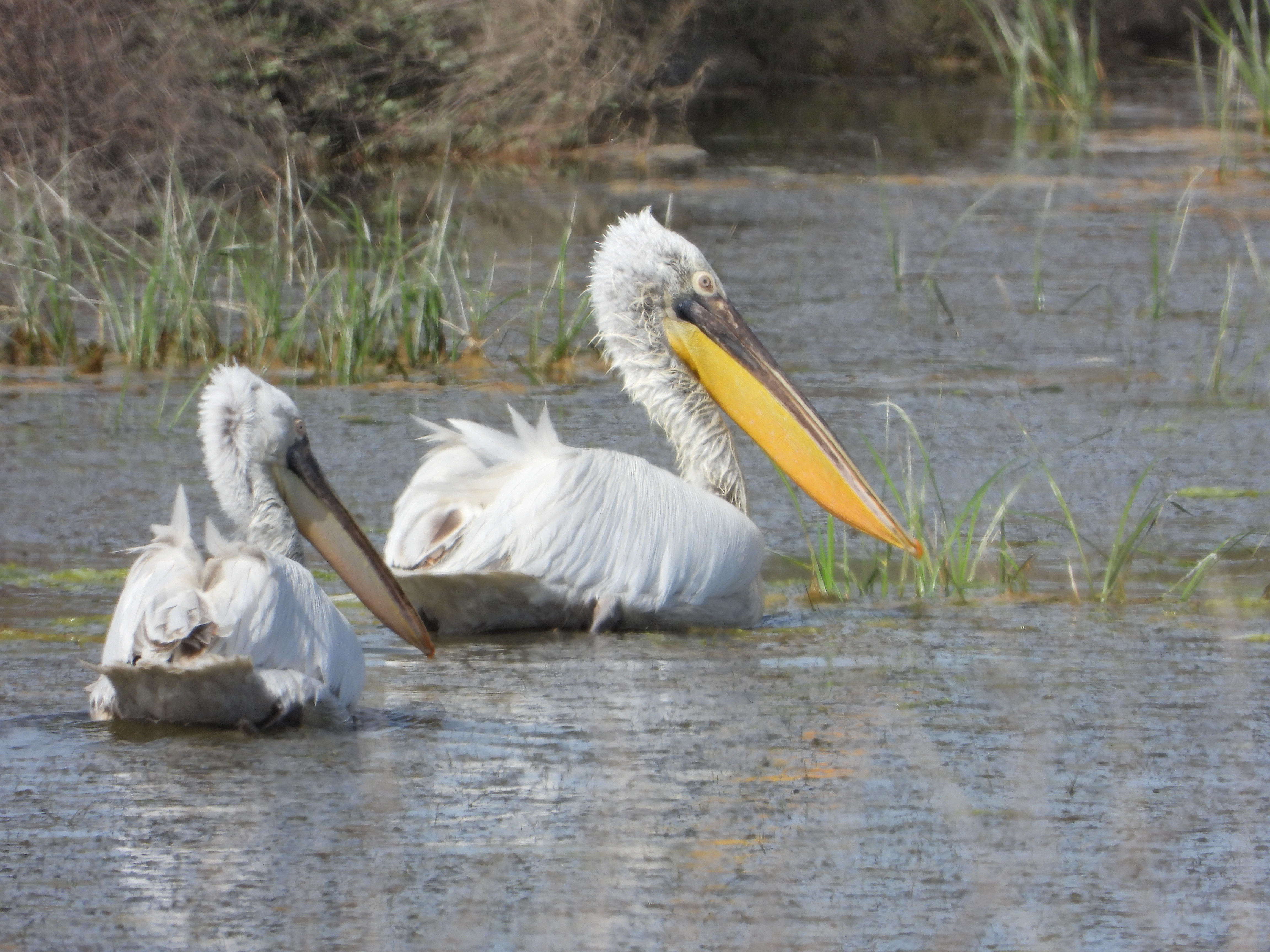
Pelikani kaçurrel (Pelecanus crispus)
Gjatësia e trupit: 160-180 cm.
Gjatësia e hapjes së krahëve: 270-320 cm.
Është një nga shpendët fluturues më të mëdhenj.
Të rriturit janë gri në të bardhë, me pupla “kaçurrele” në kokë. Kanë sqep të madh me një “çantë” të kuqe të ndezur, e cila bëhet më e theksuar gjatë sezonit të shumimit. Sytë dhe këmbët i ka ngjyrë gri të çelët.
Habitati i tyre përfshin kënetat, liqenet, rezervuarët dhe liqenet gjysmë të kripura. Ushqehen kryesisht me peshq.
Ekzistenca e tyre kërcënohet nga tharja dhe shkatërrimi i kënetave, shkatërrimi i foleve dhe dëmtimi i vezëve nga kafshë të tjera, shqetësimet gjatë sezonit të shumimit, si dhe elektroshoku në shtyllat elektrike.


Dallëndyshja e vogël e detit (Sternula albifrons)
Gjatësia e trupit: 21-25 cm.
Gjatësia e hapjes së krahëve: 41-47 cm.
Është më e vogla ndër dallëndyshet e detit. Pjesa e sipërme e trupit është ngjyrë gri, ndërsa pjesa e poshtme e bardhë, dhe majat e krahëve të zeza. Koka ka ngjyrë të zezë, ndërsa balli të bardhë. Sqepi ka ngjyrë të verdhë me majë të zezë.
Habitatet më të përshtatshme për të janë liqenet e kripura, ujërat e njelmëta dhe të ëmbla, kënetat dhe zonat bregdetare. Ushqehet me peshq të vegjël.
Ekzistenca e saj kërcënohet nga tharja dhe degradimi i ligatinave, ndërtimet në zonat bregdetare, luhatjet e nivelit të ujit, shkatërrimi i vezëve nga kafshë të tjera dhe shqetësimet gjatë sezonit të shumimit.


Vraponjësi i vogël (Charadrius dubius)
Gjatësia e trupit: 15–18 cm
Gjatësia e hapjes së krahëve: 32–35 cm
Vraponjësi i vogël është pak më i vogël se vraponjësi jakëzi (ndyshe i njohur si vraponjësi i zakonshëm). Ka këmbë proporcionalisht më të gjata, sqep më të hollë dhe më të errët. Ka faqe të zeza në formë harku të kthyer poshtë. Gjatë fluturimit, i duken shiritat e holla në krahë. Gjatë verës, i shfaqet një unazë e verdhë rreth syrit.
Habitati i tij i përshtatshëm janë brigjet e cekëta (detare, kripore, etj.) me rërë dhe zhavorr, si dhe zona të ngjashme. Ushqehet me insekte dhe krustace të vegjël.
Ekzistenca e tij kërcënohet nga urbanizimi i brigjeve të detit dhe të lumenjve, gërryerja e paligjshme e rërës dhe zhavorrit, si dhe shqetësimet gjatë sezonit të shumimit.


Ekipi realizues
Dëlirësia e Vjosë-Nartës u realizua falë punës së Qendrës për Mbrojtjen dhe Ruajtjen e Mjedisit Natyror në Shqipëri (PPNEA), në bashkëpunim me Fondacionin Heinrich Böll, Zyra Tiranë.
Materialet pamore dhe përshkrimet e shpendëve janë marrë nga botimi Shpendët e Shqipërisë (Birds of Albania).
Kuratore: Donika Çina
Grafika: Apparat Studio
Address:
Heinrich Böll Stiftung, Tirana Office
Mujo Ulqinaku Str. Building No. 23,
Ground Floor
1002 Tirana
Mob.: +355 69 608 3302
E-Mail: info@al.boell.org
https://al.boell.org