
Green Sofa Reflections
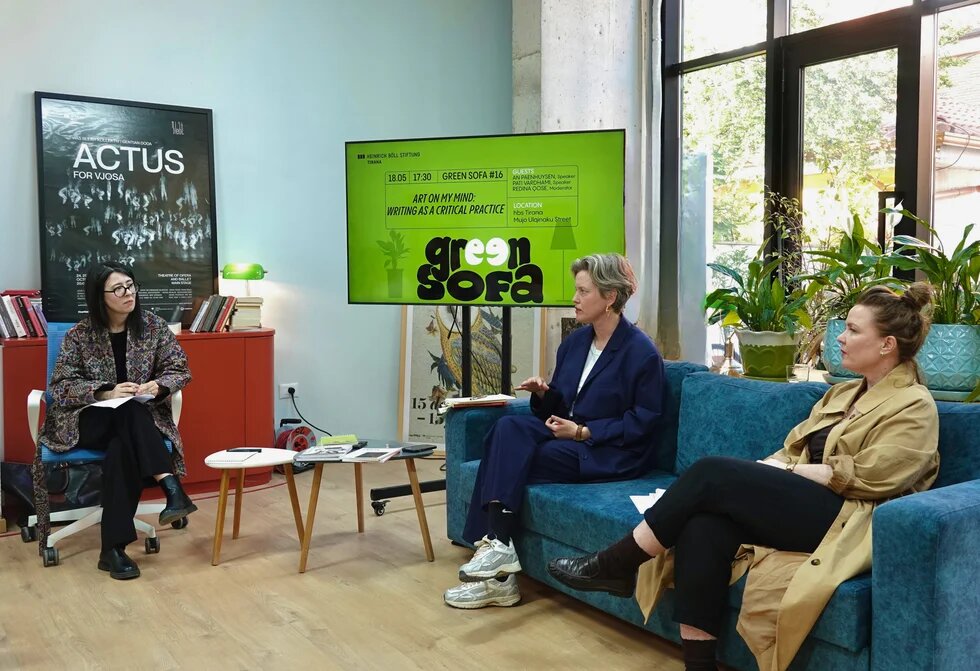
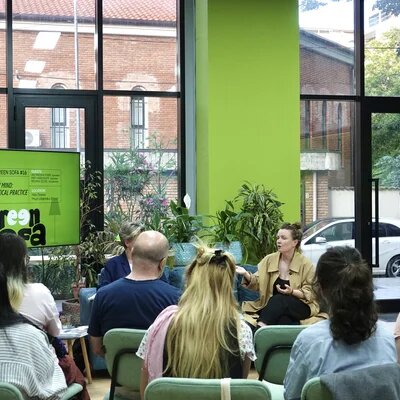
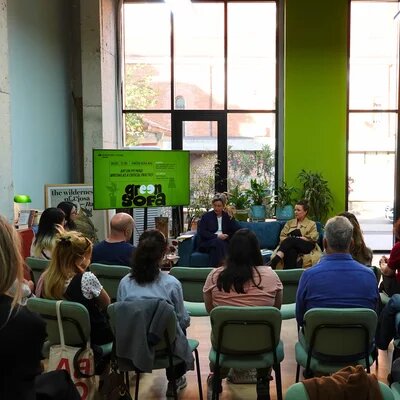
This sixteenth edition of Green Sofa reflected on the role and positioning of art criticism and the complexities of writing about art within contemporary cultural and political realities. It opened a broader discussion on how we encounter and experience art, how criticism can engage with lived reality rather than remain distant from it, and what it means to navigate increasingly complex cultural, political, and institutional landscapes.
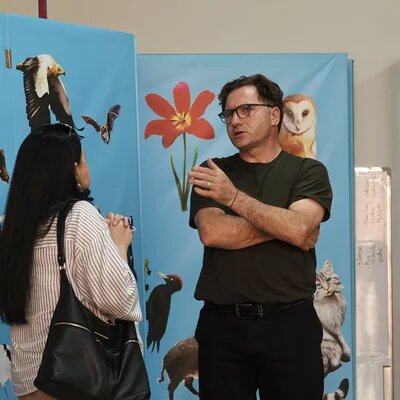
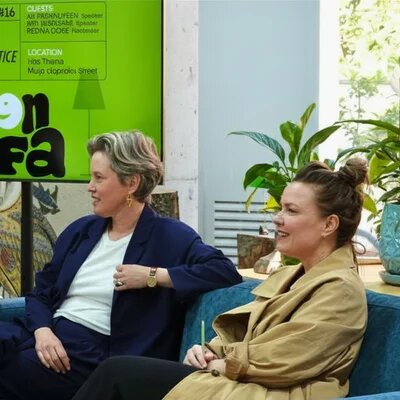
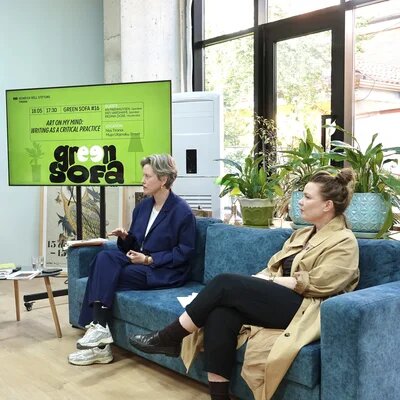
The Green Sofa series returned on 18 May 2026 with a warm and intimate evening dedicated to art criticism and writing as a critical practice. Moderated by the Albanian visual artist, Redina Qose, the evening approached criticism not as a cold or purely negative gesture, but as a form of engagement rooted in sensitivity, care, and attentiveness to both artistic practice and the wider realities surrounding it.
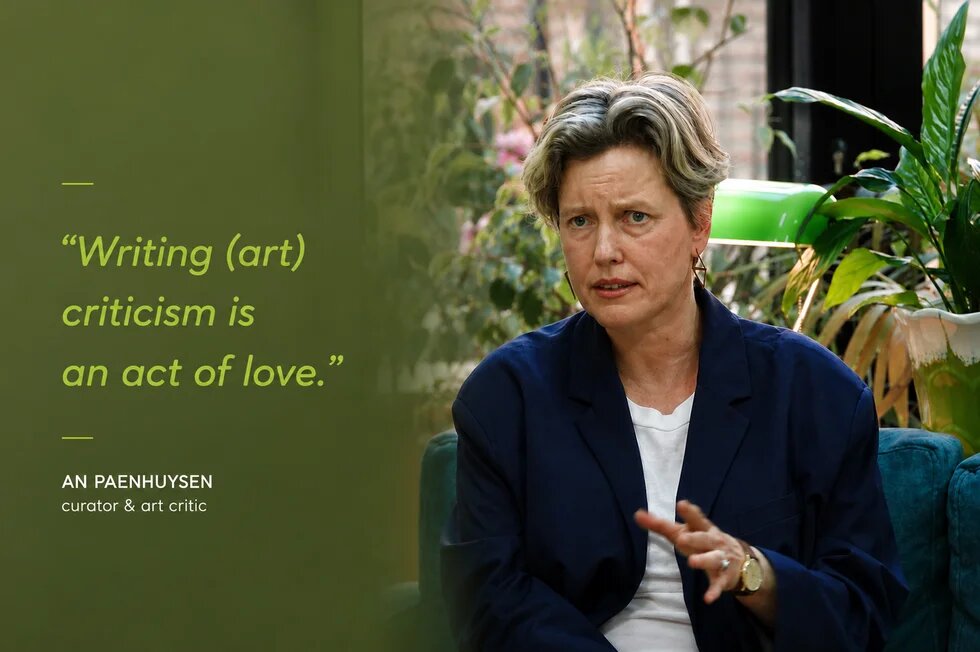
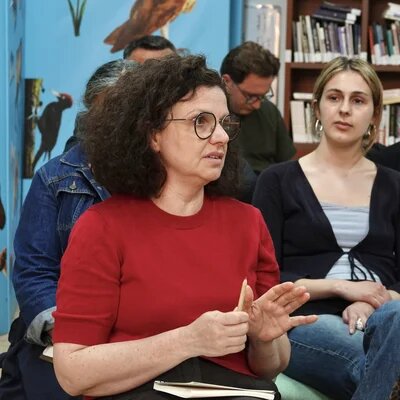
Reflecting on her work as a curator, art historian and art critic, An Paenhuysen spoke about criticism as a practice grounded in dialogue, care, and attentiveness rather than intellectual superiority or negativity. She described it as an act of love towards artistic practice. For An, writing about art means remaining open to complexity and staying close to the conditions from which artistic practices emerge rather than distancing oneself from them.
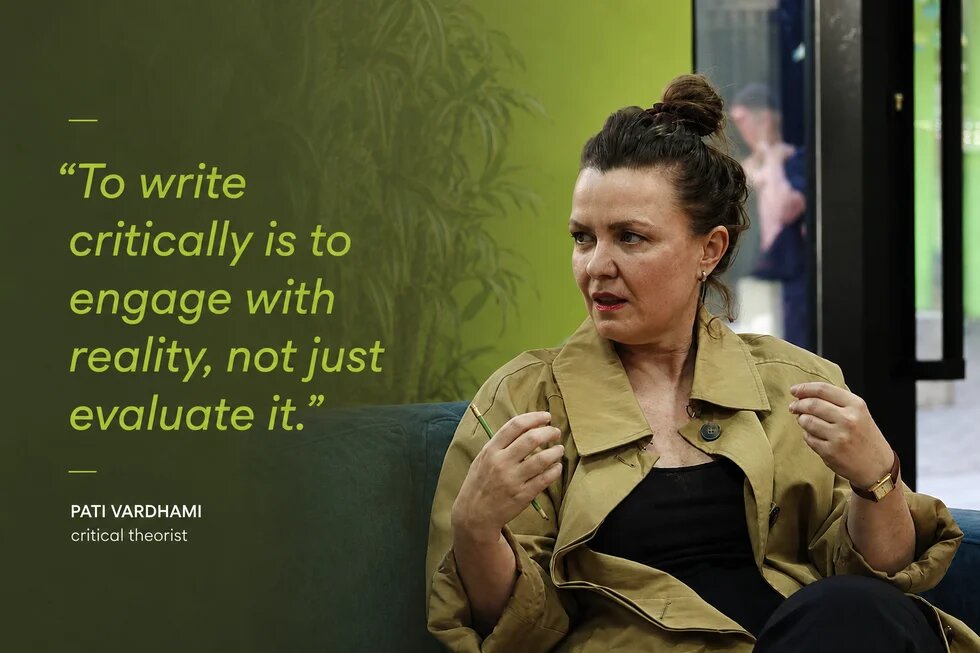
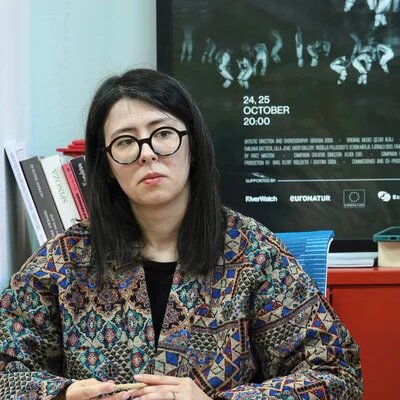
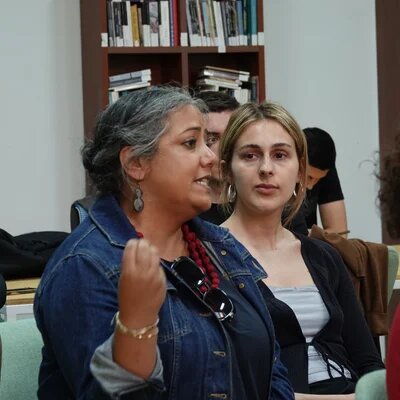
Pati Vardhami, whose work engages with cultural production and critical theory, approached criticism as a form of engagement and confrontation with reality. Her reflections focused on the broader structures through which meaning and value are produced within the art world, raising broader questions about the positionality of the critic and the social, political, and cultural conditions shaping artistic production and interpretation.
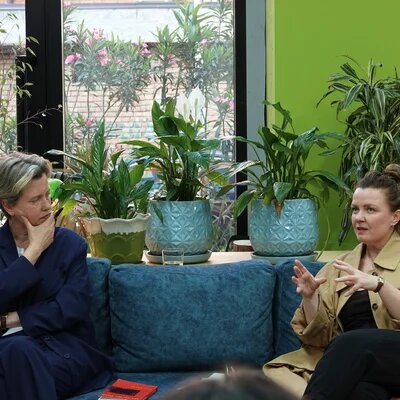
The conversation gradually turned toward the relationship between the artist and the artwork, as well as the broader conditions in which art is produced and interpreted. From there, the speakers reflected on whether artists inevitably express a position through their work, whether critics themselves occupy a position in relation to art, and to what extent artistic or critical practice can become activist.
While An approached these questions more cautiously and did not necessarily see criticism as protest, Pati adopted a more confrontational perspective, insisting more directly on criticism as engagement with political and social reality.
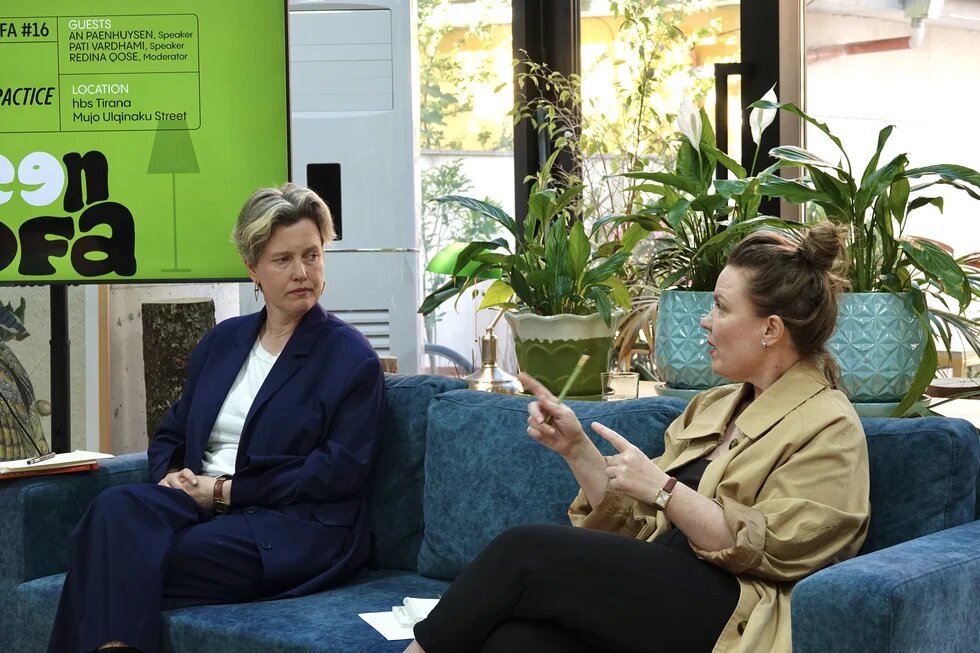
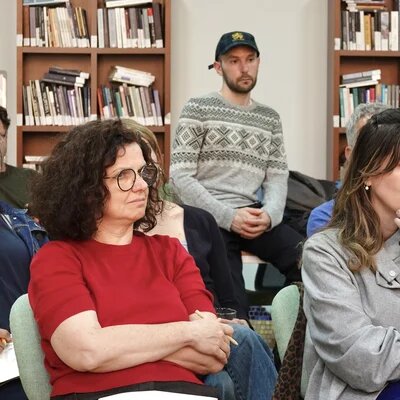
The evening also turned down the structures through which meaning and legitimacy are produced within the art world. Questions surrounding institutional power, audience perception, public discourse, and the complex relationship between art and the artist opened wider reflections on responsibility, interpretation, and the conditions under which art circulates publicly. Beneath many of these reflections was also an ongoing concern with shrinking spaces for critical thought, artistic freedom, and resistance within contemporary cultural and political realities.
As the evening unfolded, attention shifted toward the pressures created by increasingly institutionalized and market-driven cultural systems and the challenges they pose for artists, critics, and cultural workers today. Rather than arriving at fixed conclusions, the exchange insisted on the importance of criticism as an open and self-reflective practice capable of sustaining both critical reflection and care within contemporary cultural life.
We warmly thank everyone who joined us for the return of the Green Sofa conversation series and contributed to such an engaged and thoughtful evening. We look forward to welcoming you again at our upcoming events as we continue creating space for critical reflection and collective discussion around the cultural, social, political, and environmental questions shaping our present.