
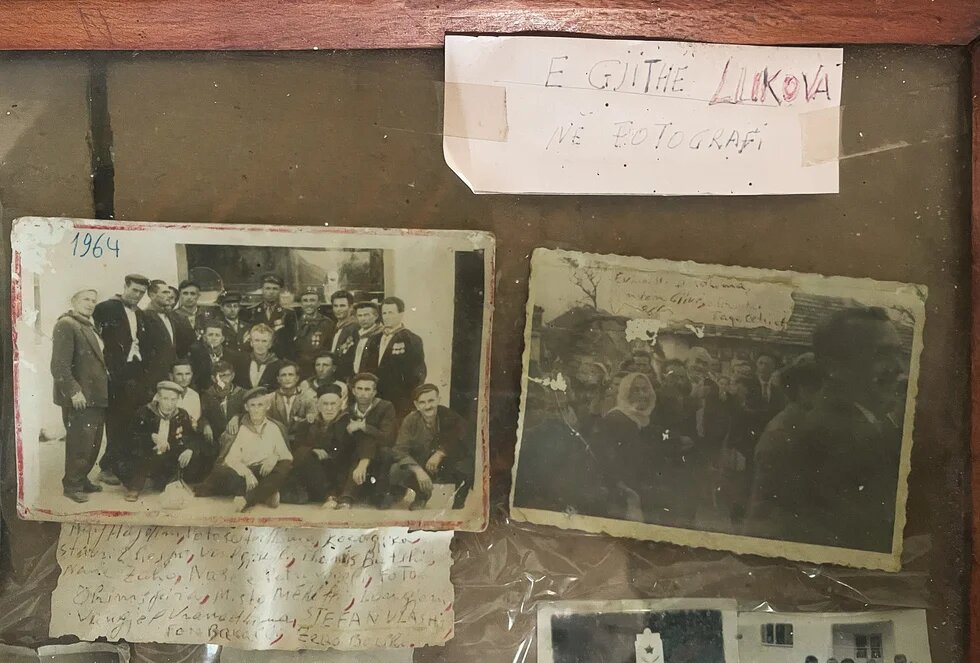
Through the personal stories of Lukova's residents, this essay offers an exploration of the community's cultural and anthropological landscape, revealing how people's relationship with nature both shapes and is shaped by their identities, traditions, and everyday practices.

Encountering Lukova
This essay is inspired by time spent observing everyday life in Lukova and the many ways its residents live with the natural world around them. Rather than viewing nature simply as the “external environment,” it approaches it as an integral part deeply interconnected with the human society and the symbolic fabric that holds this community together. Thus, through the stories of local residents and the rhythms of daily life in the village, I seek to trace the many ways people inhabit nature. Drawing on lived experiences, I explore how the natural world becomes part of how people think, feel, remember, and make sense of their “world”.
The relationship between people and their surrounding natural environment has long been central to anthropological study. Anthropologists have sought to understand not only what people do in their everyday lives, but also how farming and cultural practices are intertwined with the ways communities care for and sustain their relationship with nature. In places like Lukova, this relationship is anything but abstract. It unfolds in the rhythms of daily life: in the raising of livestock, the gathering and use of medicinal herbs, and the decisions people make about the use of natural resources.
Even the most ordinary acts- pruning trees, harvesting olives or gathering medicinal plants- carry cultural meaning. They reveal that nature is not merely the setting for human life, but an active participant in it. These everyday practices and rituals embody a deep understanding of, and respect for, the rhythms of the natural world.
The weight of history
To understand how the people of Lukova relate to nature today, we must first understand the history that has shaped this relationship. For generations, life in this region has depended on natural resources. The land, the water, the olive groves, and the medicinal plants have all played a defining role in shaping the community's social and economic life.
During the communist period, agricultural collectivization policies fundamentally transformed traditional systems of land ownership and cultivation. Intended to increase productivity and achieve food self-sufficiency, these policies often resulted in unsustainable practices and led to symbolic alienation of people from the land. This was not merely a change in ownership or labour organisation, but a profound transformation in the way nature was understood and experienced in everyday life.
As agricultural production became increasingly organized around planning, expertise, and the division of labour, people's relationship with the land became more mediated and less direct. In Weberian terms, this reflected a broader process of rationalization, in which social life came to be organized around efficiency, calculation, and predictability. In different historical contexts, particularly the socialist context, this way of thinking also began to shape people’s relationship with nature. Nature increasingly came to be seen as something to be to be systematized and directed towards production, creating a new distance between people and the land.
After the fall of the communist regime, Lukova underwent a very slow transition back to private land ownership and the revival of small-scale farming. This process, however, was marked by several challenges, including land disputes, lack of investment, and environmental changes that forced people to find new ways to sustain themselves.
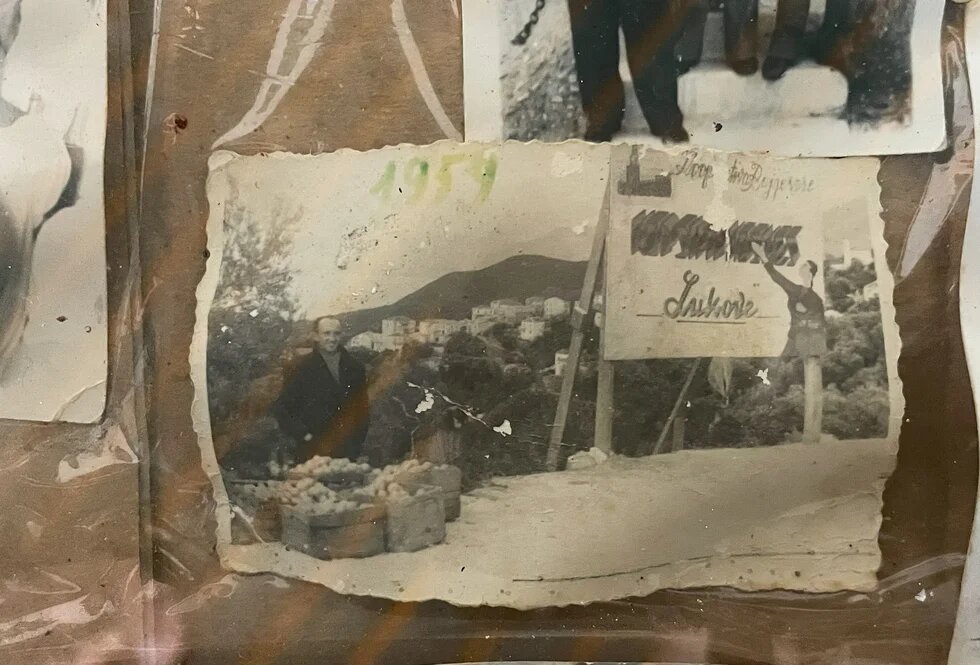
Today, the olive groves are no longer collectively owned, yet questions of land ownership remain unresolved and uncertain in practice. Nature has once again become an open terrain, where each person seeks to sustain themselves in their own way. This shift reflects a move away from a form of “domesticating nature,” in which people sought to systematize their relationship with the environment, towards a renewed relationship with the natural world. Together, these transformations reveal that nature in Lukova is no longer a carefully regulated system, but a living landscape that people must learn once again how to manage and, above all, how to live alongside.
Whispers of Lukova
“Human beings are like nature: strong and not easily broken.” S.H
In Lukova, nature is far more than a backdrop to human life. Its presence is felt along every footpath, in every garden, and in every ancient olive tree that has witnessed generations. Here, people do not separate themselves from the land. The land is woven into their way of life and their collective memory. They have a deep connection with the land, the plants, and the animals. Each family here has its own way of approaching nature, caring for it, working with it, and understanding it.
Robin Wall Kimmerer writes about what it means to live in a world where economic relationships are based on gifts. “Gift economy” is a term first developed by Marcel Mauss and later reinterpreted by Kimmerer as an ecological, ethical, and spiritual relationship with the more-than-human world. She reflects on her relationship with the land and with the fruits she receives from it. For Kimmerer, the earth’s reciprocal love creates a “sacred bond.”
The idea of the gift economy often came to mind during my time in Lukova, especially when residents would offer me sage, a pomegranate, or a handful of mandarins picked from their own gardens. This idea returned to me again high in the mountains overlooking the sea, as I gathered Mediterranean sage (Salvia triloba), one of the most widely harvested medicinal plants in Lukova) with Besnik, or while I stood among the olive trees.
“What if the Earth loved you back?” - Kimmerer asks. The question lingered with me. It unsettled me. Could nature really love me back?
The mountain was covered with a plant whose leaves were lined with tiny thorns, scratching you wherever they touched your skin. Yet Besnik moved effortlessly among them, completely at ease. He knew every path and how to gather the plants without injuring himself. The Mediterranean sage that grows in this terrain is not easy to harvest, but for Besnik it is simply part of the annual rhythm of life, a practice he returns to every year. For me, every scratch was a direct encounter with the harshness of the land. It was there that I came to understand that nature registers everything, including our presence.
In Lukova, people say, “The olive trees are alive.” The olive tree, which local people call “the king of trees,” is perhaps the strongest expression of this relationship. It is not merely a source of olive oil, but a vessel of memory and inheritance. Conflicts over olive trees are not simply disputes over ownership; they are ways of negotiating one's place and preserving a fragile balance. People talk about the olive trees. They argue over them. In many families, caring for the olive trees goes hand in hand with safeguarding one's own dignity: who picks the olives, who prunes the trees, who is the first to see them bear fruit.
In Lukova, then, the land is never simply “something that belongs to someone.” It shapes people, measures them, and reminds them that life is always relational. Here, there is no clear boundary between “nature” and “society.” The olive trees, the land, and the plants are participants in people's lives. They have value. They demand care. They provoke debate. And they continue to sustain the village's economy.
Nature is not experienced in the same way by everyone. For Besnik and his wife, Roza, who gather and sell medicinal plants, nature is understood through work and necessity. The two of them live alone; their daughters are married and have settled abroad. Their lives follow the rhythm of the seasons. For several months each year, they work for Nena Farm. The rest of the time is spent gathering medicinal plants, tending their vegetable garden, and helping others in hotels and private homes. In their garden they grow tomatoes, cucumbers, peppers, and eggplants, while vines climbing around the house provide the grapes from which they make raki every autumn. The branches left over from pruning the trees are used to light the stove. Nothing goes to waste. Everything they have finds a new purpose.
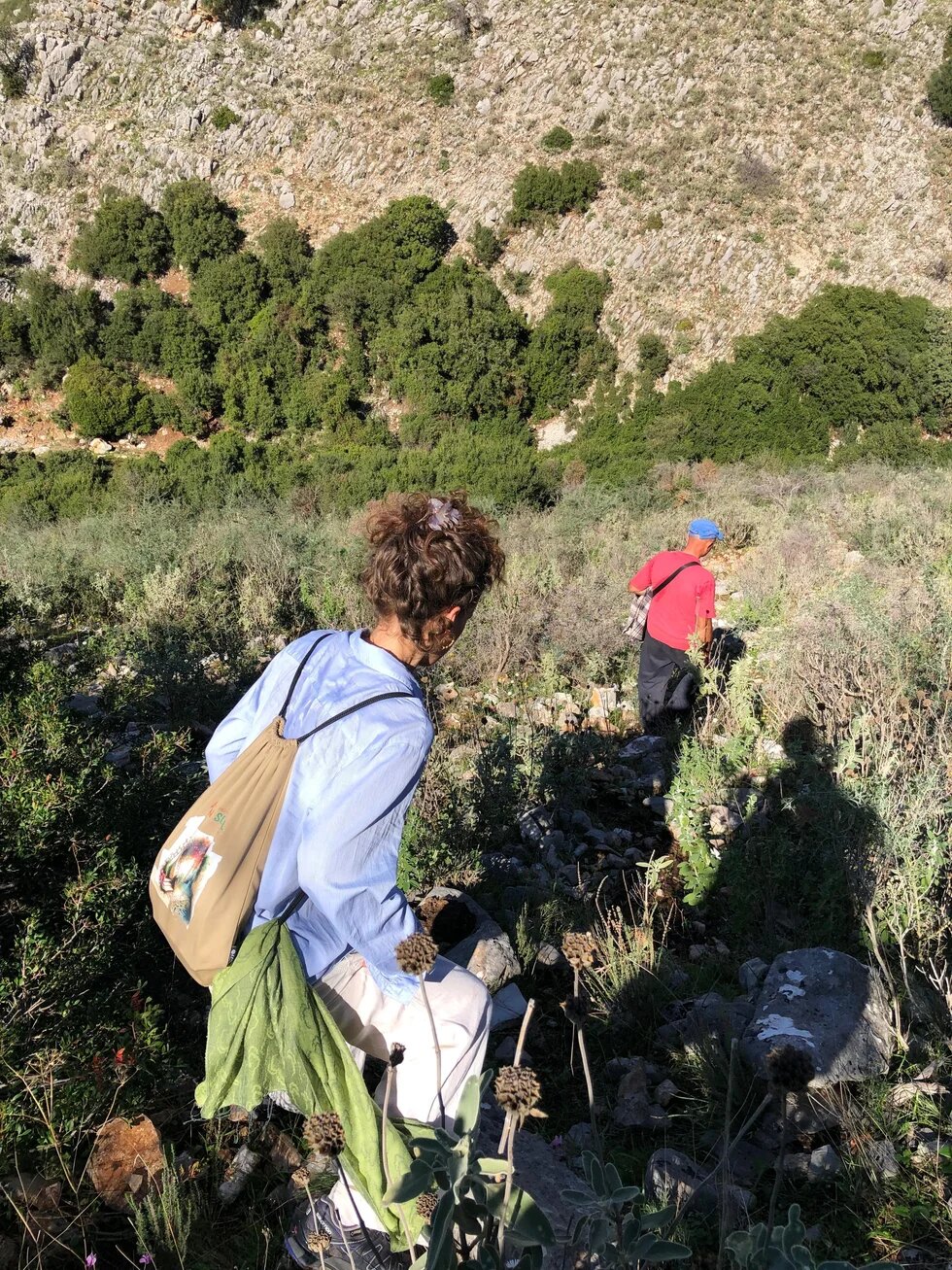
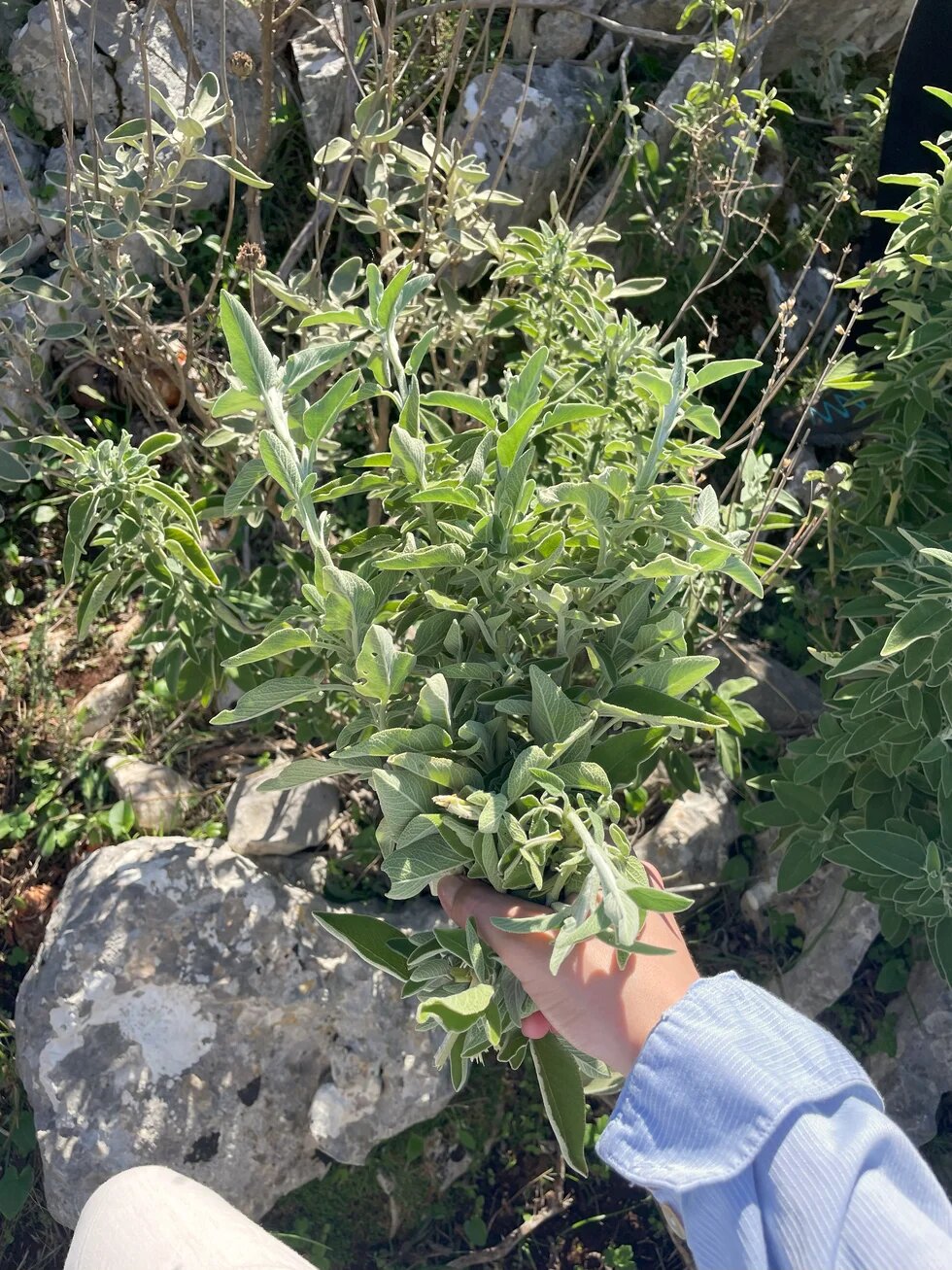
Working with medicinal plants requires long journeys into the mountains and, at times, considerable physical effort. Yet for Besnik and Roza, this labor is simply part of everyday life. They know where the finest plants grow, and every mountain path has become familiar to them. The plants they gather include oregano (Origanum vulgare), Mediterranean sage (Salvia triloba), St John's wort (Hypericum perforatum), common sage (Salvia officinalis), bay laurel (Laurus nobilis), and old man's beard (Clematis vitalba). These plants demand patience and careful attention. For those who gather them, this is more than work; it is a way of caring for health and part of the small, everyday practices that surround the use of medicinal plants. Every step - from knowing where to find them to understanding how to preserve them - is knowledge in itself, shaped by experience and tradition.
For Roza and Besnik, knowing each plant - where it grows, when it is best gathered, and how it is used - is woven into the everyday rhythms of village life. In the mountains, plants are distinguished according to their use. This is not a sign of indifference, but a practical way of knowing. Nature, for them, is divided into “what is useful” and “what is not.” It is a way of life born of necessity, yet one that also reveals the depth of their relationship with the natural world through its use.
In this context, Nena Farm stands as an example of how traditional practices can be brought into dialogue with contemporary opportunities. One of the village's best-known initiatives, it demonstrates that inherited knowledge can coexist with modern techniques. Here, the Kalinjot olive trees of Lukova are tended with great care, and every stage of the process - from shaking the branches to gathering the fallen olives - reveals how tradition and everyday care are inseparable from the product that ultimately reaches people's tables.
The olive industry, including the work of Nena Farm, plays an important role in the everyday life of the village. When each tree is cared for and managed sustainably, it provides a reliable source of livelihood for the village, while helping preserve traditional practices, linking the local economy to the careful stewardship of the land. Through the sustainable management of the land and the conservation of natural resources, Milto, the founder of Nena Farm, contributes to protecting biodiversity while strengthening the community's relationship with nature.
By contrast, Sonila and Valentino's family depend almost entirely on the land for their livelihood. Sonila is the only wage earner in the household, working for a modest salary. Their vegetable garden, rabbits, medicinal and ornamental plants are what keep the household going. Her mother-in-law, Dhimitrulla, spent her entire life working in agriculture. Sonila's husband has worked with livestock since he was sixteen and began raising rabbits at the age of eighteen, continuing a craft he inherited from his father. Today, he has added twenty-five young rabbits to last year's stock, which the family raises for food.
From a father who worked as a guard at the cooperative during the communist period, where lemons were gathered, to a son who today makes his living from the land and his animals, there extends an intergenerational legacy that reflects the enduring continuity of dependence on nature.
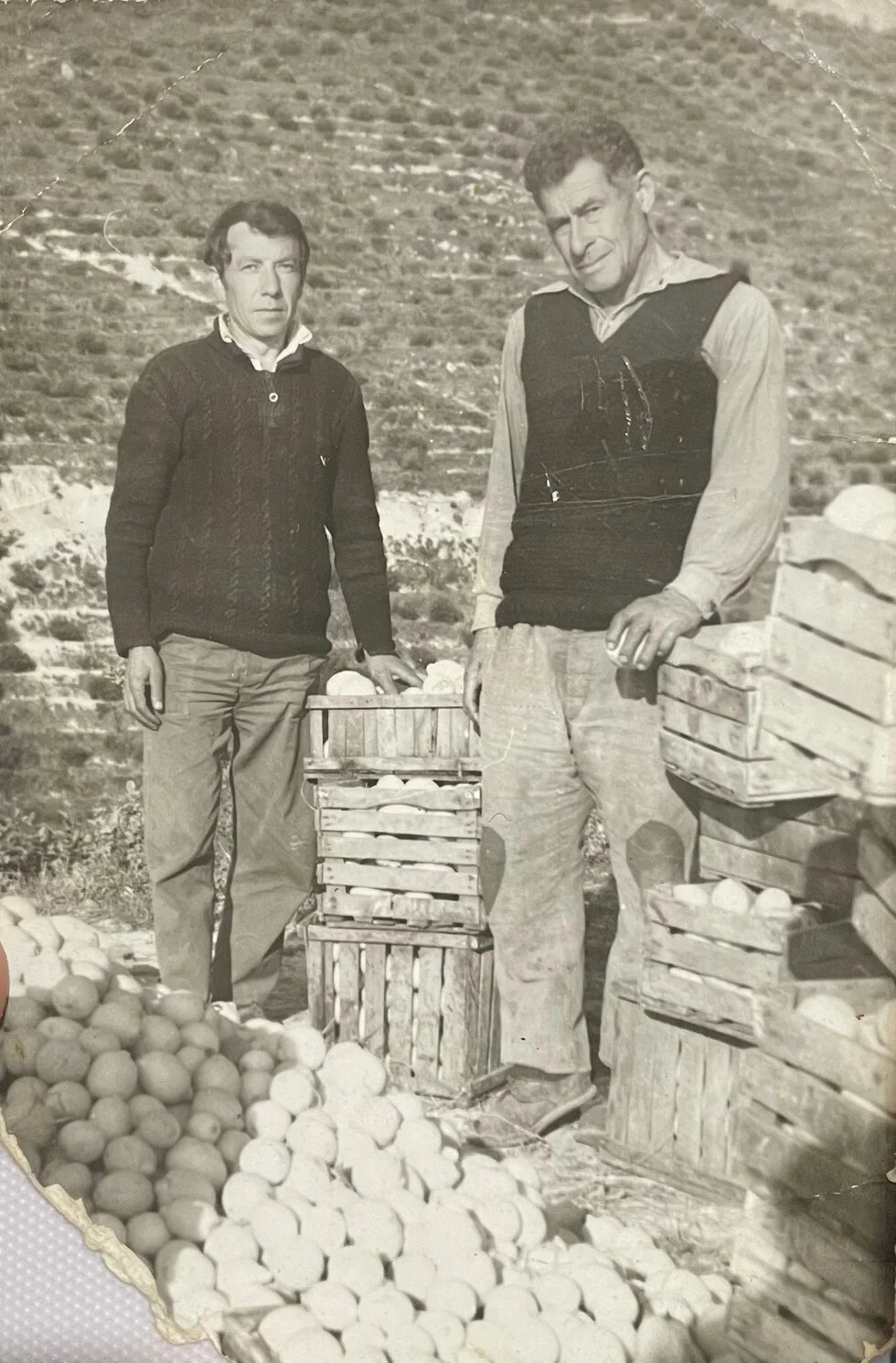
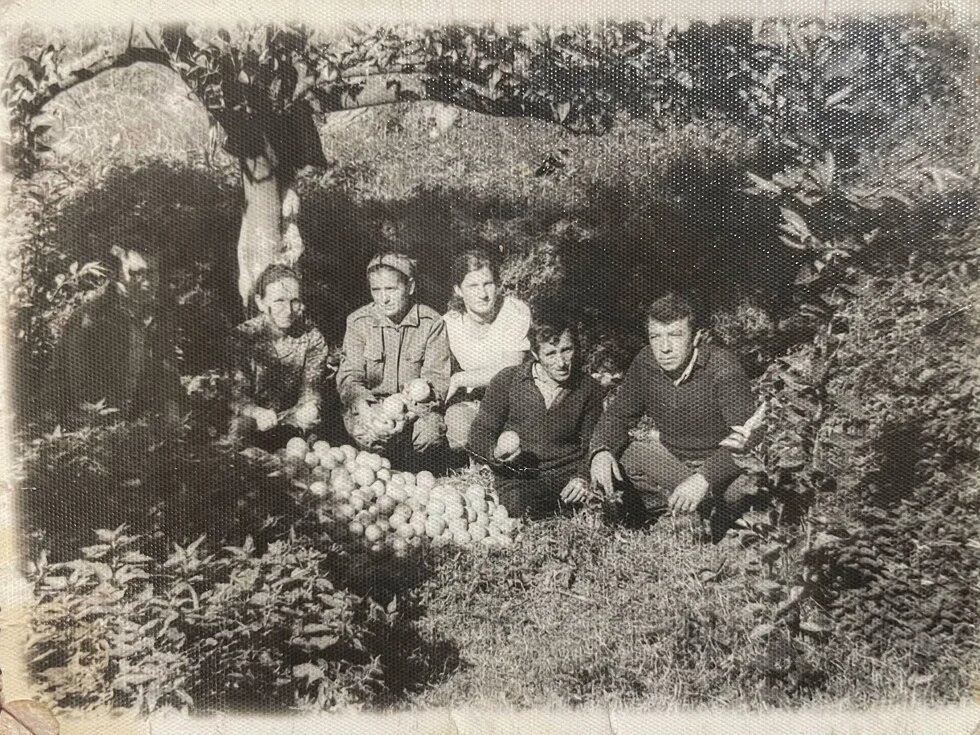
For Sonila's family, the land, their vegetable garden, and their animals are their only means of survival, providing the food and resources needed to sustain the household. They understand the rhythms of plants and animals, the cycles of production, and the many ways in which everyday life is intertwined with the rhythms of nature. Every task forms part of an ongoing dialogue with nature, where each element has its own role and shapes how they live and care for one another.
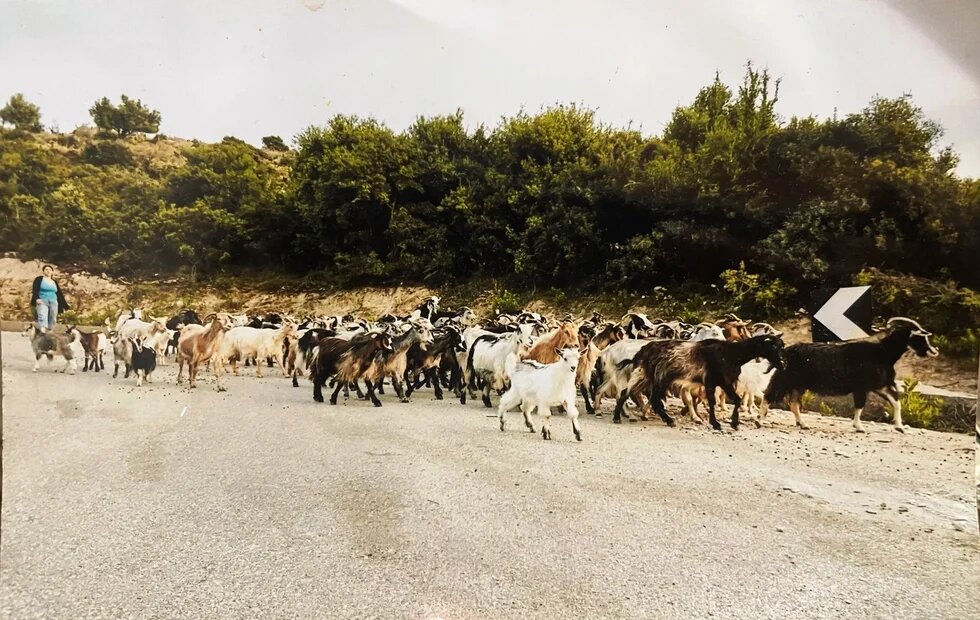
In Josif's home garden, this relationship takes on a different form, one that is quieter and more personal. His home garden is lush and full of greenery, with lemon trees, orange trees, and olive trees. He planted them not only for production, but also, as he puts it, “for aesthetics,” for the beauty they bring to his surroundings. For Josif, the land is not a burden but part of his identity, something that represents who he is. He began working at the age of thirteen for the state-owned Roads Maintenance Enterprise, in Ndroq Village, Tirana. After completing his military service, he returned to his father's home in Lukova.
“When I came back to Lukova, the scent of lemons and oranges warmed my heart.”
For him, returning to the village was not simply a decision, but a return to his roots, his memory, and to a landscape that calms him and remembers him.
The way he describes this return is more than a verbal recollection; it is a bodily and sensory memory, where scent, air, and the sense of place are registered in the body as a way of knowing the world. In this sense, the relationship with nature is mediated not only through thought or ownership, but also through a body that remembers, responds, and finds its bearings through the senses. It is a fundamental dimension of the way people inhabit a place.
People here do not see nature as something that exists outside themselves. They dwell with it and are part of it every day. Nature is not a category separate from culture, but a way of living, remembering, and coexisting. People do not simply “own” nature; they live alongside it, shape it, experience it, and care for it according to their needs and possibilities. Every way of life expresses a relationship with the world around them, sometimes through care, sometimes through dependence, and sometimes through use. Yet in every case, that relationship remains alive, tangible, and profoundly human.
Final notes from Lukova
The relationship between the residents of Lukova and nature emerges as an ecology of experience, where people, olive trees, medicinal plants, livestock, home gardens, and the sea coexist within a shared rhythm of everyday life that transcends conventional distinctions between culture and nature. In Lukova, nature is a living body with which people enter into continuous negotiations.
Within this relationship, different ways of experiencing nature become apparent. They do not exist as separate categories but flow into one another depending on the situation. At times, nature is a form of economy, embodied in an intimate knowledge of the landscape: the paths leading into the mountains, the places where the finest oregano grows, or the distinction between what is "useful" and what is "not useful." These are not merely practical forms of orientation but ways of knowing acquired through the body, through movement, labour, and repetition over time.
At other times, nature becomes survival, a necessary rhythm of life in which working the land and following its cycles are inseparable from the continuity of the family. Here, nature is neither symbol nor abstraction, but the very condition of everyday life, demanding constant attention and embodied engagement. At other moments still, the same relationship opens onto another dimension, where the land, the scent of lemons, the light, and the greenery are no longer simply elements of the environment, but returns to memory, sensations registered in the body as a form of knowledge and solace. Here, nature becomes an inner refuge rather than an obligation.
These three forms are not separate from one another; rather, they are different ways through which Lukova gives shape to its own culture. Ultimately, Lukova offers an example of an ecology of inhabiting, where people do not stand before nature, but live with it. They create shared worlds in which life unfolds through interdependence, care, and embodied rhythms.
The naturalness of this relationship does not lie in abstract ideas, but in everyday practices through which people cultivate knowledge, identity, and collective memory. It is through this continuous attention and care that an ecology of experience takes shape — one in which humans and the living world remain bound together through the textures of everyday life.
! This article is produced in the framework of the International Seasonal School in Social and Cultural Anthropology (ISSSCA) organized by the House of Anthropology - Centre for Research in Social and Cultural Anthropology (QSASK) in collaboration with Heinrich Böll Stiftung, Tirana Office.